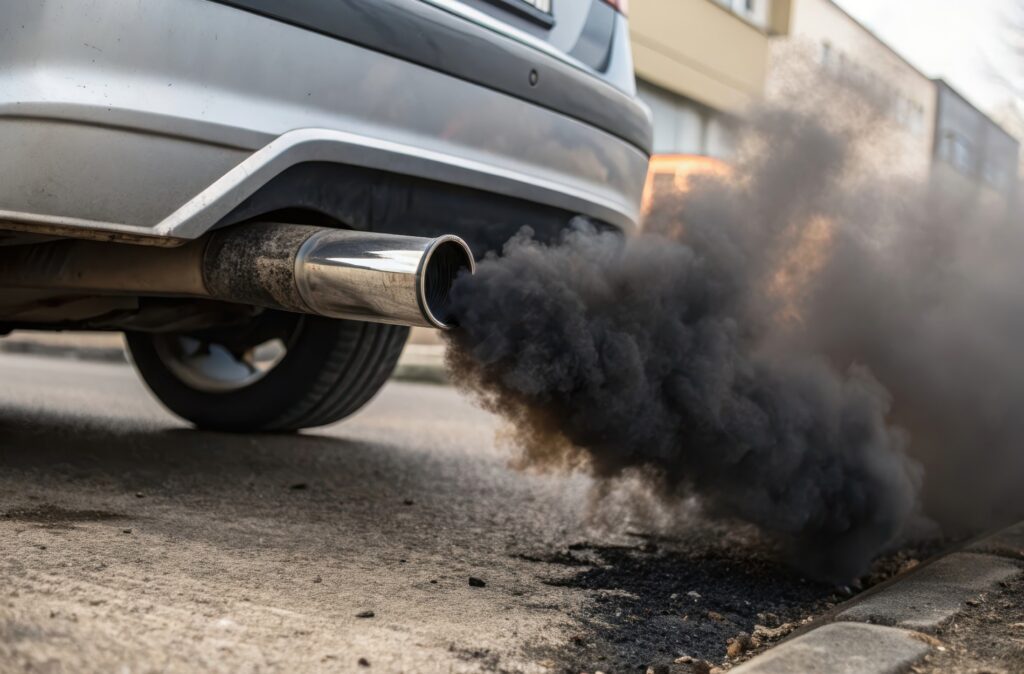
Seeing black smoke coming from your exhaust pipe is never a good sign. It might catch your eye when you’re driving behind someone, or it could be your own car puffing out a thick stream every time you hit the gas. Either way, it’s not something you want to ignore. Black exhaust smoke is a message from your engine, and it’s usually saying that something isn’t quite right with how your car is burning fuel.
This type of smoke doesn’t just look bad, it points to wasted fuel, poor performance, or even long-term engine trouble if left unchecked. Sometimes the fix is simple, like replacing a dirty air filter. Other times, it might point to deeper problems like fuel system failure or worn-out parts. Knowing what black smoke really means helps catch the problem early and avoid bigger repairs down the road.
Understanding Black Exhaust Smoke
Black exhaust smoke usually shows up when your engine is burning more fuel than it should. It’s a sign of incomplete combustion, and that often means fuel is being wasted or something in the air-fuel mix isn’t balanced. The reasons can range from a dirty component to a failing sensor.
Here are some of the most common causes:
1. A clogged or dirty air filter can restrict airflow to the engine, causing the fuel mixture to run rich.
2. Malfunctioning fuel injectors might spray too much fuel, leading to unburned fuel exiting through the exhaust.
3. A faulty sensor, like the mass airflow sensor or oxygen sensor, may send incorrect information to the engine’s computer, throwing off the fuel-air ratio.
4. Problems within the fuel pressure system can also result in excess fuel moving into the combustion chamber.
5. Ignition issues, such as bad spark plugs or worn-out ignition coils, might cause poor combustion, producing smoke as a byproduct.
These fixes may not sound urgent at first, but a constant fuel-rich burn lowers engine performance and can damage the catalytic converter over time. It also leads to poor gas mileage and could even cause your check engine light to turn on. For most drivers, it’s more noticeable during hard acceleration, when a cloud of black smoke trails from the tailpipe. If this is something you’ve seen recently, it’s a good time to think about looking into it.
How Black Exhaust Smoke Affects Your Engine
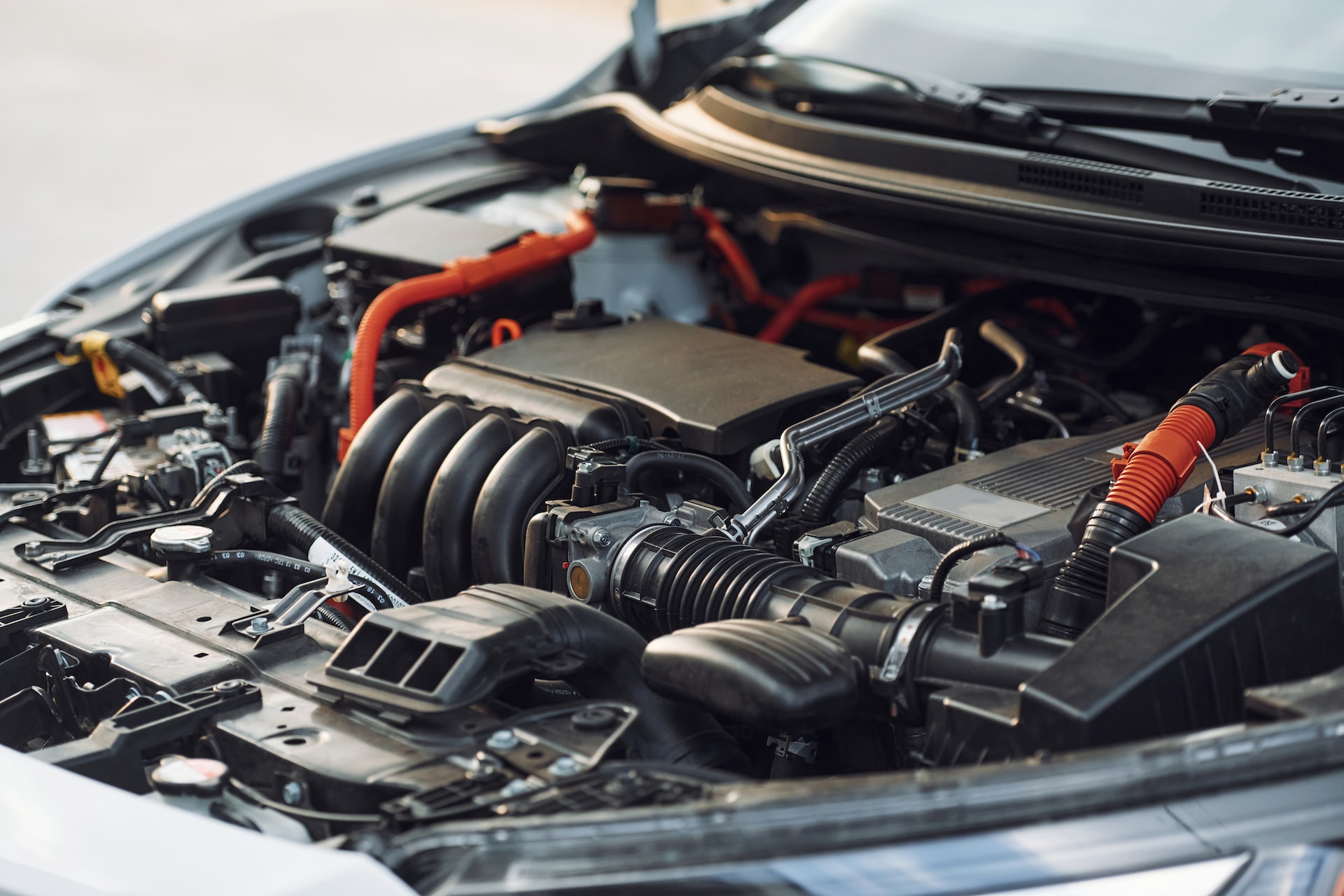
When your engine burns too much fuel and sends black smoke through the exhaust, it’s more than just a visual problem. The smoke is a symptom, but the real damage happens inside your vehicle’s systems. It pushes the engine to work harder while getting less done, which isn’t something you want happening every time you hit the road.
From a short-term view, your car may feel sluggish. You’ll likely notice a drop in fuel economy or need to refuel more often than usual. This is because your engine is burning way more fuel than it needs for the amount of power it’s producing. It can also make the engine run hotter than normal, which might cause wear if left unaddressed.
Long-term effects are where things get more expensive. Running rich for too long can cause carbon buildup inside the engine and along the spark plugs. It also makes your catalytic converter work harder, trapping and trying to break down more pollutants than it’s meant to handle. Over time, it can fail completely. Replacing a catalytic converter isn’t cheap, and once that part is gone, the condition of the engine can decline fast.
Another thing to consider is how it affects emissions. Black smoke usually means your car isn’t meeting emission standards. That could become a problem if you live in an area that requires regular testing, and it raises the chance of failing an inspection.
So while black exhaust smoke may seem like something you can live with for a while, the wear it puts on your vehicle isn’t worth delaying a proper check. It’s a warning light you can actually see, and catching the problem early can help avoid more serious harm to your engine.
Diagnosing The Problem
If you’re seeing black smoke from your exhaust, it’s a sign that something in your system isn’t working right. Tracking down where the issue starts is the first step to getting it fixed. It could come from a few different systems in your vehicle, so it’s important to figure out what’s actually wrong before replacing any parts.
Start by paying attention to how your car is acting. Does it feel sluggish when you press the gas pedal? Is your fuel gauge dropping faster than usual? Are there unusual smells or sounds coming from the engine? All of these can point to potential areas of concern.
Here are a few steps a technician will usually take to diagnose the problem:
1. Run a code scan using a diagnostic tool to check if any sensors are malfunctioning.
2. Inspect the air filter for buildup or clogging.
3. Check the fuel injectors for leakage or improper spray patterns.
4. Test the mass airflow and oxygen sensors to make sure they’re giving accurate data.
5. Examine spark plugs for carbon buildup from excess fuel.
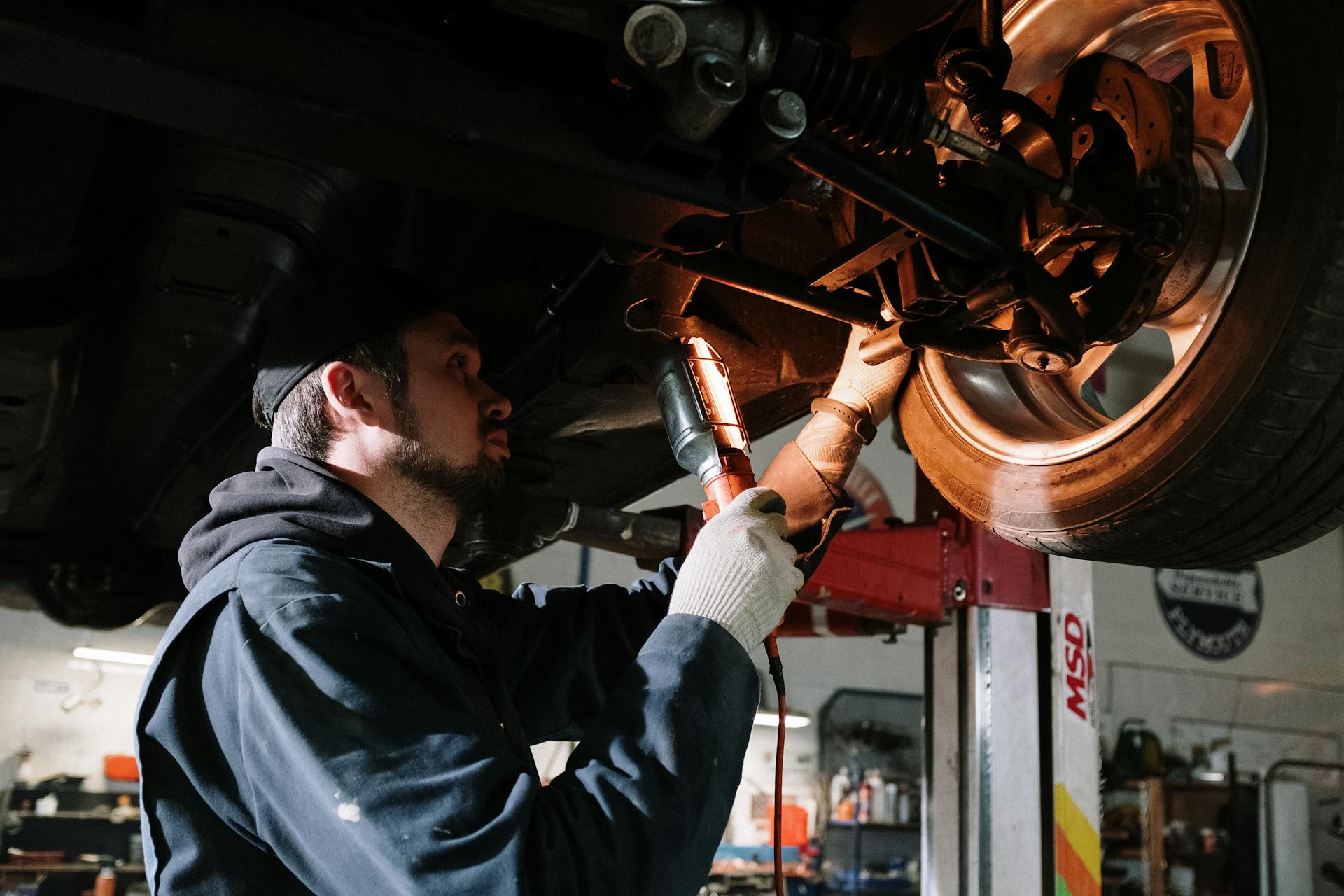
One thing to keep in mind is that black smoke doesn’t always come with a check engine light. Some issues don’t trigger a sensor, especially if a part is wearing out slowly. That’s why regular maintenance and inspections matter. A trained eye can often catch warning signs before they turn into something more serious.
Getting an inspection not only identifies the real issue but also helps avoid throwing money at parts that aren’t causing the problem. It saves time, and more importantly, saves your car from extra wear.
Preventative Measures That Make a Difference
Once black smoke has been addressed, the goal is to keep it from happening again. Regular maintenance goes a long way in keeping your engine running clean and fuel-efficient. Ignoring simple upkeep routines is one of the reasons fuel systems tend to slip into trouble.
Here are a few practices that help prevent black exhaust smoke:
1. Replace your air filter on schedule so the engine always gets a steady flow of clean air.
2. Get fuel injectors cleaned or tested during maintenance checks.
3. Stick to the oil change schedule that fits your vehicle and driving habits.
4. Use the right kind of fuel recommended for your car.
5. Pay attention to dashboard warning lights instead of hoping they’ll go away.
6. Keep up with spark plug replacements if your vehicle has high mileage.
An example that often gets overlooked is the air filter. A driver might stretch out the replacement thinking it’s no big deal, but a dirty filter can throw off the whole air-fuel ratio. That small piece can have a big effect, and letting it sit too long can turn a minor maintenance item into a costly repair.
Working with professionals helps ensure every part is inspected properly and replaced, fixed, or adjusted if needed. Preventative steps like these can extend the life of your engine and reduce the chances of black smoke showing up again.
A Smarter Way to Keep Your Engine Running Right
Your car works best when everything under the hood is in sync. Black exhaust smoke tells you when things are off, and the longer it goes unchecked, the more problems it creates. But that doesn’t mean the solution has to be complicated or overwhelming. Most of the time, catching the early signs and staying ahead with simple maintenance makes all the difference.
Being proactive with inspections, oil changes, and fuel system care does more than prevent smoke. It helps your engine run smoother, cleaner, and stronger. Whether it’s visible signs like smoke or quieter clues like poor gas mileage, paying attention to what your car is telling you can save you stress, money, and time on the road.
For those looking to keep their car running efficiently and prevent issues like black exhaust smoke, staying on top of regular oil change services can make all the difference. At H&I Automotive, our team makes sure your engine gets the attention it needs to stay reliable and perform at its best, helping you avoid bigger issues down the road.