A smooth ride isn’t just about comfort. It plays a big role in how your car handles, how well your tires wear, and how safe your drive feels. When driving starts to feel jerky, shaky, or just plain uncomfortable, your suspension system might be trying to tell you something. This network of parts helps keep your vehicle balanced and steady, even over rough patches of road.
Over time, wear and tear is normal. But when things feel off, like your car dipping to one side or bouncing more than it should, it’s probably time to pay attention. Ignoring these issues can lead to bigger problems. The suspension affects more than just how your ride feels. It’s tied to your control and braking too. This is when having a team of suspension repair experts on your side can really make a difference.
Signs Your Suspension Needs Attention
Your suspension system does a lot more than absorb shocks. It supports the frame, keeps your tires in line, and helps you stay in control. When things wear out, your car will usually let you know if you’re paying attention.
Here are some signals that your suspension might be in trouble:
– Bumpy or rough rides: If road bumps feel more intense than usual, your shocks or struts might be worn.
– Pulling to one side: This could point to uneven suspension, misaligned tires, or other related issues.
– Uneven tire wear: When suspension parts aren’t working together smoothly, it puts pressure on your tires in uneven ways.
– Nose diving when braking: If your vehicle leans forward sharply when stopping, your shocks might be the culprit.
– Excessive bouncing after a bump: After going over a speed bump or pothole, your car shouldn’t keep bouncing.
– Squeaking or clunking sounds: Sounds like these may suggest broken or loose suspension parts.
Let’s say you’re driving down your usual route, and every speed bump feels like a jolt. That kind of change shouldn’t be ignored. It’s not just a comfort issue. It affects how well you control your vehicle and how quickly you’re able to stop.
Paying attention to these signs can prevent further damage. It’s always better to catch problems early before they wear down your brakes or tires. If you’re unsure, get it checked out. What feels like a small issue now could turn into a major repair if left alone.
How Suspension Issues Affect Your Vehicle
When parts of your suspension start to wear out or break, they don’t just sit quietly. The effects spread quickly. What starts as a noisy shock absorber can affect other systems in your car that rely on balance, alignment, and support.
One of the first areas impacted is your tires. When suspension isn’t doing its job, weight distribution becomes uneven. This leads to bald spots or uneven tread, which shortens tire life and makes driving riskier. Tires that wear unevenly can affect your handling. Your car might not respond the way you expect when turning or stopping.
Next is your braking. If your suspension isn’t keeping your car level, you might notice one side dipping when hitting the brakes. This can increase stopping distance, especially during a sudden stop. With extra strain, your brake pads and rotors may wear out quicker than they should.
A faulty suspension can also change the way your steering feels. If your vehicle pulls or has loose steering when turning, you’re missing the feedback needed to drive safely. That leads to more unpredictable handling, which is frustrating and unsafe.
In short, ignoring your suspension isn’t just about dealing with a few bumps in the road. It can lead to major damage on parts you depend on every time you drive. And the longer you wait, the most costly the repairs may be.
What to Expect from Professional Suspension Repair
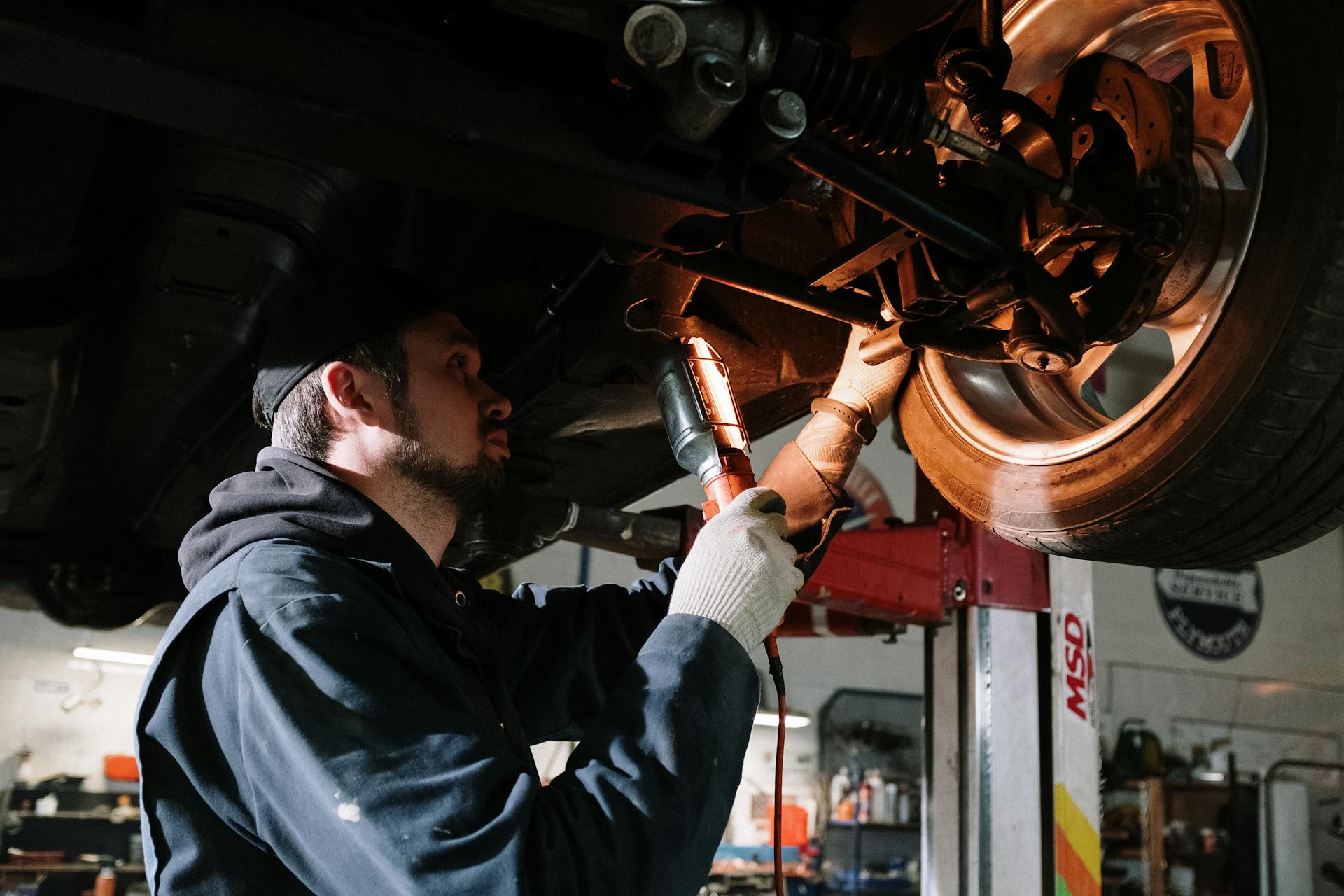
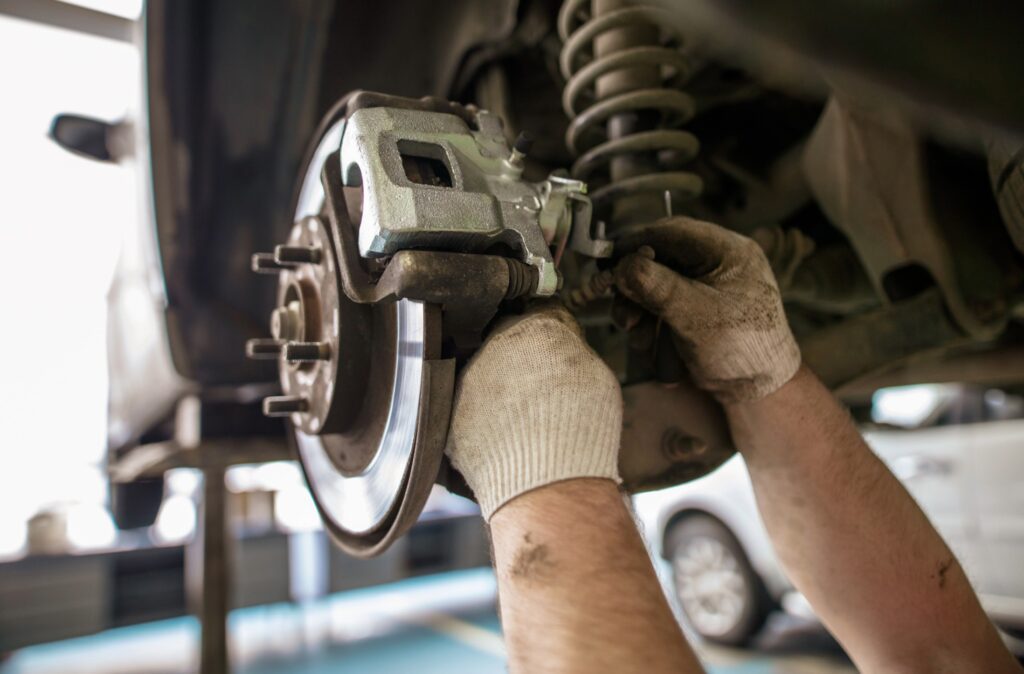
When you bring a vehicle in for suspension work, the first thing done is a full inspection. A trained technician will look for worn, missing, or damaged parts. This might include shocks, struts, bushings, springs, or ball joints. Some issues are easy to see. Others need special testing tools to catch.
Depending on what’s found during the inspection, the job might require replacing a single part or several connected parts. Replacing the damaged parts while others still work helps restore balance and prevents stress from spreading to healthier components.
Here’s what usually happens during a professional suspension repair visit:
1. Full diagnostic of the suspension system
2. Hands-on testing for loose or faulty parts
3. Wheel alignment and tire wear checks
4. Replacement of worn shocks, struts, springs, or bushings
5. Re-alignment of vehicle once parts are replaced
6. Test drive to ensure everything feels solid again
Suspension repair experts use advanced tools to check how suspension parts move, how your car sits, and how parts respond during pressure. This helps get a clear read on what’s working and what isn’t. A good team can often spot hidden problems that have been building over time.
Once the work is complete, your car should feel different right away. The steering will feel tighter. The brakes will work smoother. And you’ll notice fewer jolts after every bump.
Maintaining Your Suspension for a Smoother Ride
Maintaining your suspension system starts with paying attention and staying ahead. The more you check in on it, the less likely it is that a minor issue becomes a big one down the road.
Here are simple things that help keep your suspension strong:
– Get tire rotations and wheel alignments on schedule
– Keep tires inflated at the correct pressure
– Avoid potholes and drive carefully over speed bumps
– Don’t overload your vehicle
– Schedule a full suspension inspection at least once a year
If you can’t remember the last time your system was checked, set up a visit. Even when everything feels fine, some wear sneaks up without showing right away. Having a technician take a quick look could save you money down the line.
It helps to be alert to how your vehicle feels as time goes on. If the ride feels rougher than before or you sense a pull to one side, bring it up during your next service. Technicians who handle suspension daily will know what to check.
Ensuring a Smooth Ride with H&I Automotive
A balanced suspension keeps your car steady, your tires lasting longer, and your brakes doing their job better. It’s one of the systems that makes driving feel safe and smooth. When things feel off, it’s your car telling you something’s wrong.
Bumps in the road happen. But your ride shouldn’t feel uncomfortable or hard to control because of them. If little signs are showing up now, don’t ignore them. Waiting too long could cause trouble with other parts of your car and lead to bigger repair bills.
The good news is, you don’t need to figure this out on your own. Suspension repair experts like those at H&I Automotive have the experience and tools to spot problems early and fix them the right way. With skilled technicians on your side, every drive can feel steady and safe once again.
If your vehicle is giving you a rough ride or showing signs of imbalance, it’s a good idea to have it checked out by experienced technicians. At H&I Automotive, our team takes the time to diagnose and resolve issues that affect your comfort and control on the road. You can rely on our suspension repair experts to restore a smoother, safer driving experience with service you can count on.